Clinton H. Durney
BC Cancer Research Institute
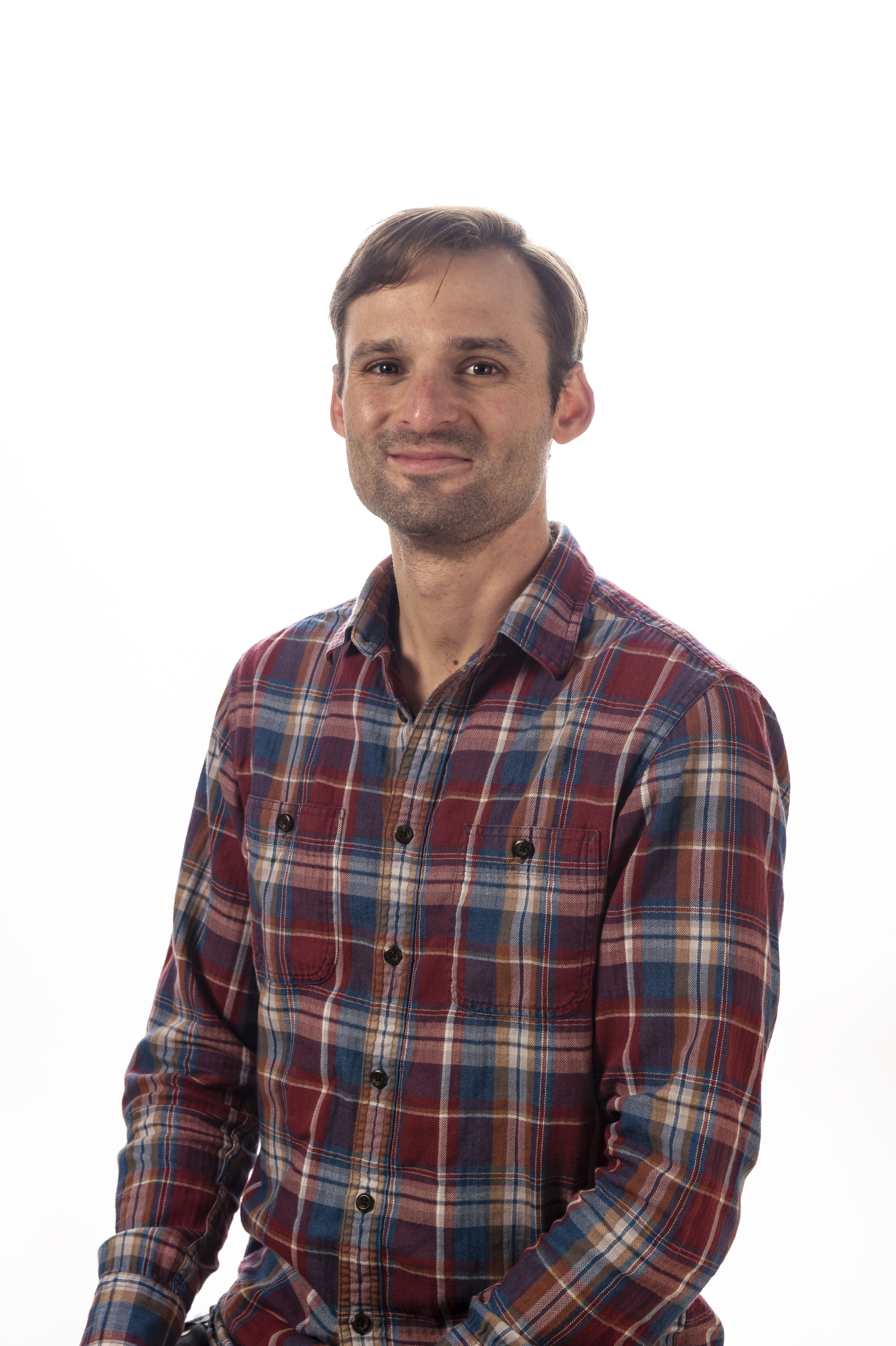
I am a computational scientist studying how long-term exposure to outdoor air pollution (PM2.5) drives lung cancer risk. My research program uses CT imaging and quantitative epidemiological methods to understand early pulmonary change and inform cancer prevention. My background in applied mathematics and dynamical systems shapes how I approach these problems — building tools and models that connect population-level exposures to biological outcomes.
Research
-
Environmental exposures and lung cancer — Quantifying long-term PM2.5 exposure and its relationship to lung cancer risk, with a focus on CT-based detection of early parenchymal change and tools for cancer screening programs. See APEX, a web-based tool for assessing outdoor PM2.5 exposure.
-
Tobacco control — Analysis of trends in electronic nicotine delivery systems and oral nicotine pouches, with focus on flavored products and youth-facing marketing.
-
Computational and mathematical biology — Mathematical models of tissue mechanics and morphogenesis, including vertex models of epithelial sheets, PAR protein dynamics in Drosophila, and the biophysics of stomatal guard cells in grasses and Arabidopsis.
News
- June 2026 — Collaborative work on plasma biomarkers for lung cancer prevention published in Cell and featured in The New York Times.
Experience
- Research Methodologist, Department of Population Health Sciences BC Cancer Research, Vancouver, BC, 2023-
- Visiting Scientist, Computational and Systems Biology
John Innes Centre, Norwich, UK, 2023-2024 - Postdoctoral Scientist, Computational and Systems Biology John Innes Centre, Norwich, UK, 2020-2023
Education
- Ph.D. in Mathematics, 2020
University of British Columbia, Vancouver, BC
Mentor: James J. Feng - M.S. in Mathematics, 2013
The Ohio State University, Columbus, OH - B.S. in Physics, 2011
B.S. in Mathematics, 2011
Virginia Polytechnic and State University (Virginia Tech), Blacksburg, VA